
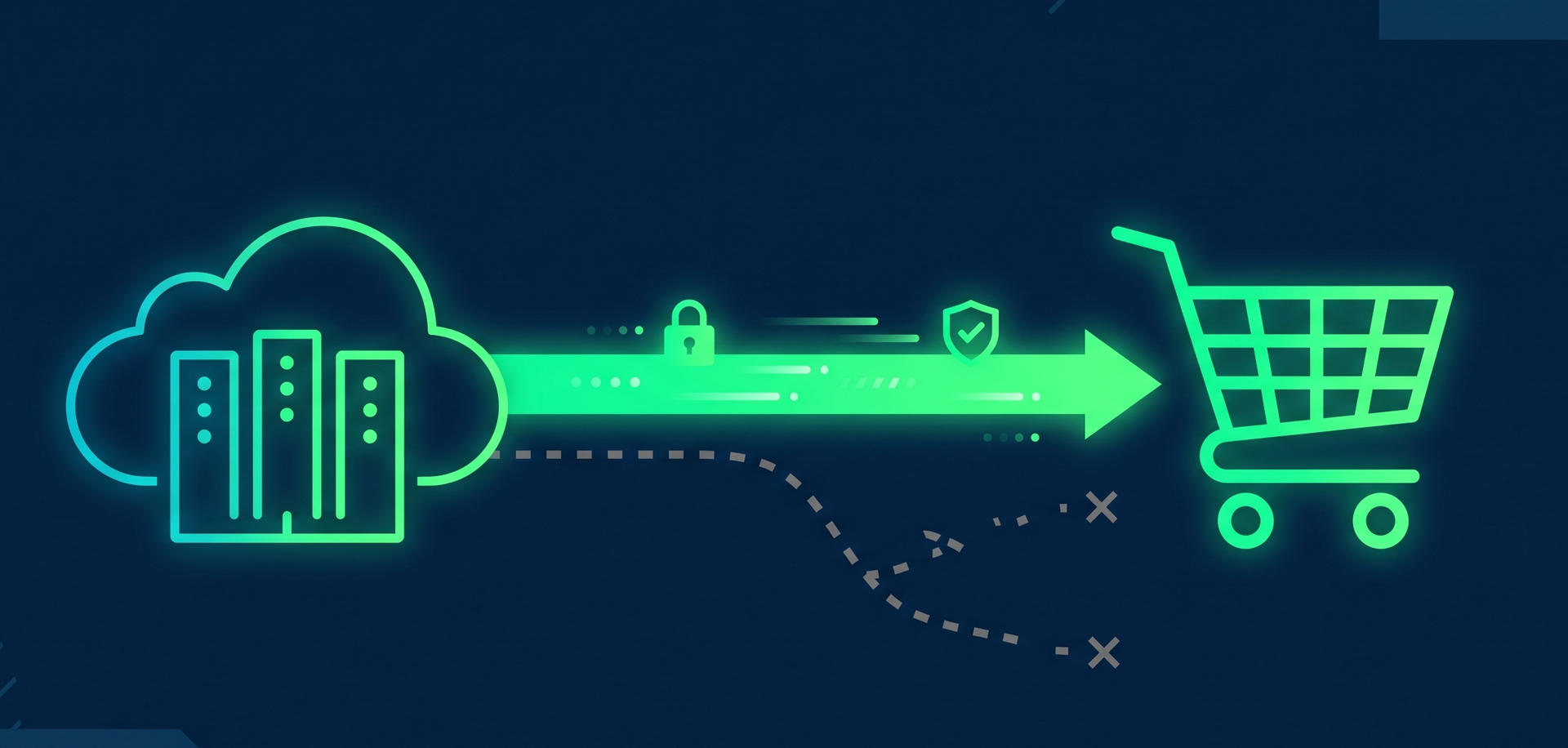

Stop wasting ad spend on vanity metrics. Learn how multi-touch attribution and server-side tracking build a highly profitable D2C revenue system.

Stop guessing what works. Learn how connecting your ads, landing pages, CRM, and attribution into a single D2C revenue system eliminates wasted ad spend.

Learn how B2B Answer Engine Optimization services protect organic visibility. Discover how to rank in ChatGPT, Perplexity, and AI Overviews. Read the guide.

Stop burning cash on disconnected marketing agencies. Learn how to architect a unified growth ecosystem that connects paid media, CRO, and your CRM to drive downstream revenue.

Discover why siloed marketing agencies stall growth. Learn how building an integrated revenue system unifies acquisition, conversion, and accurate attribution.

Is your customer acquisition cost spiking? Learn how to diagnose a broken marketing infrastructure and run an operational audit before scaling ad spend.

Relying on word of mouth and referrals is not a sustainable business model. When your pipeline is empty, you need a system that consistently attracts, educates, and converts qualified prospects into booked appointments and closed deals. Many companies struggle with lead generation because they treat marketing channels in isolation. They run a few ads, post sporadically on social media, or write a blog post once a month. This disjointed approach burns through budgets and produces terrible results. A true lead generation machine requires a synchronized strategy where search visibility, paid acquisition, and social proof work together. Building this system requires patience, data, and a clear understanding of your target audience. We will break down the exact strategies necessary to build a reliable B2B lead generation pipeline that scales with your business. The Foundation of a Lead Generation Machine Before spending a single dollar on advertising or content creation, you must evaluate your current baseline. Running traffic to a broken website is a waste of capital. Your foundation relies on understanding user behavior and ensuring your digital assets are optimized for conversion. Conducting a Digital Marketing Audit The first step in any serious growth campaign is a comprehensive digital marketing audit. You cannot fix what you do not measure. An audit reveals the technical errors preventing your site from ranking, the user experience bottlenecks stopping people from converting, and the messaging disconnects turning away potential buyers. A proper audit evaluates three core areas: Technical Health: Page speed, mobile responsiveness, indexing issues, and core web vitals. Content Relevance: Keyword gaps, outdated information, and alignment with search intent. Conversion Architecture: The clarity of your calls to action, form friction, and trust signals. Once you know where the leaks are, you can plug them. Only then should you begin driving new traffic. Organic Traffic vs Paid Acquisition The most common question business owners ask is whether they should invest in search engine optimization or pay per click advertising. The answer is almost always both, but they serve entirely different functions in your lead generation strategy. Analyzing SEO vs PPC ROI When comparing SEO vs PPC ROI, you are looking at two different time horizons. PPC provides immediate visibility. You pay a premium to appear at the top of search results for high intent keywords. This allows you to test messaging, understand what offers convert, and generate leads within days. However, the moment you stop paying, the traffic stops entirely. Your cost per acquisition often remains flat or increases over time as competition enters the market. SEO is an asset building exercise. It takes months of consistent effort to earn top rankings for competitive B2B lead generation strategies. The upfront cost is high relative to the immediate return. However, once you secure those rankings, your traffic scales without a proportional increase in cost. Over a two to three year timeline, the ROI of organic search almost always eclipses paid search because your cost per lead drops dramatically as traffic compounds. The most effective strategy uses PPC to fund the waiting period for SEO. You buy immediate leads to keep the pipeline full while building the organic assets that will eventually reduce your reliance on paid ads. Maximizing Local SEO for Small Business If your B2B company serves a specific geographic region, organic growth starts with local search. Local SEO for small business is highly effective because it captures intent from buyers who are ready to engage a vendor nearby. Optimizing your Google Business Profile is critical. Ensure your name, address, and phone number are consistent across the internet. Gather reviews systematically from satisfied clients. Build local citations in relevant industry directories. Create dedicated service pages for each city you operate in. When a decision maker searches for an agency, consultant, or vendor in their city, your business needs to appear in the top three map pack results. Converting Attention into Appointments Traffic is a vanity metric. If a thousand people visit your website and zero people contact you, the marketing campaign failed. Conversion rate optimization is the bridge between marketing and sales. Improving Your Social Media Conversion Rate B2B buyers research vendors extensively before reaching out. They will look at your LinkedIn, read your company updates, and evaluate your team's expertise. Improving your social media conversion rate is not about going viral. It is about building trust. To convert social media followers into leads, you must provide exceptional value with zero expectations. Share case studies detailing exactly how you solved a specific problem. Break down complex industry changes into simple takeaways. Use data to back up your claims. When you consistently publish high quality insights, you position your brand as the authority. When it comes time to make an offer, do it directly. Use clear calls to action pointing to a high value asset, such as a whitepaper, an exclusive webinar, or a free consultation. Remove friction from the process. If a prospect has to click through three pages and fill out a ten field form to get your asset, they will bounce. Keep it simple. Building Your Omni Channel System A predictable lead generation machine does not rely on a single source of traffic. Algorithms change, ad costs fluctuate, and competitors adapt. Your goal is to build an ecosystem. Use SEO to capture non brand search demand. Use PPC to target high intent buyers and retarget users who visited your site but did not convert. Use social media to distribute your content and build relationships. Use email marketing to nurture prospects who are not yet ready to buy. This requires strict alignment between your marketing and sales teams. Marketing must define what constitutes a qualified lead, and sales must provide feedback on the quality of the conversations they are having. When this loop is closed, you can scale your operations with confidence. Frequently Asked Questions How long does it take to see results from B2B lead generation strategies? Paid search can generate leads within the first week. Organic strategies like SEO and content marketing typically require three to six months to show meaningful momentum, but provide a higher return on investment over a multi year period. What is a good conversion rate for a B2B landing page? A strong B2B landing page should convert between 2 percent and 5 percent of its visitors, depending on the industry and the complexity of the offer. Simple lead magnet downloads may convert higher, while consultation requests will convert lower. Do we need a massive budget to start? No. You need a targeted budget. It is better to dominate a very narrow niche or local market with a smaller budget than to spread your resources too thin across national campaigns. Start Scaling Your Pipeline Unpredictable revenue is stressful. It forces business owners to make reactive decisions instead of strategic ones. By auditing your current foundation, balancing paid and organic acquisition, and optimizing for conversions, you can take control of your growth. At The VAM Group, we build custom lead generation machines for businesses that are ready to scale. We do not guess. We use data, proven frameworks, and relentless execution to drive qualified appointments to your calendar. Stop relying on hope as a marketing strategy. Contact our team today to schedule a comprehensive digital marketing audit and discover exactly what it will take to multiply your lead volume.

Stop paying fragmented agencies for vanity metrics. We build integrated revenue systems combining paid media, CRO, tracking, and CRM automation for D2C brands.

Google Is Sunsetting Dynamic Search Ads. Your Window to Act Is Closing.

Why Most Agencies Won't Touch Your Industry